
Dubai’s Foremost Eco-Minded Interior Studios
Across Dubai, sustainability has grown from a mere marketing slogan into a real design mandate, and 2026 is shaping up as a pivotal year for the shift. The UAE Net Zero 2050 strategy and Dubai Municipality’s updated 2026 fit-out guidelines are guiding the industry toward low-carbon materials, healthier spaces, and more efficient structures. For owners and businesses, sustainable interior design now promises real payoffs, including reduced running costs, improved indoor air quality, and future-proofing against tightening regulation. This article spotlights the companies and approaches spearheading that transition, beginning with Dubai’s most seasoned green specialist. Along the way, it lays out the 2026 eco trends reshaping the market, plus the regulations you should grasp before construction begins. Every price figure here is a market-level estimate rather than a quote, and no certification is credited to any firm beyond what is publicly established.
Summertown Interiors: Dubai’s LEED-Driven Pioneer
Summertown Interiors is the natural first stop for any talk about sustainable interiors in Dubai. The firm focuses on office, corporate, and commercial fit-out with a clear focus on sustainability and LEED-certified, healthier workplaces. That positioning counts because commercial interiors are where energy use, indoor air quality, and material choices have the greatest measurable impact. LEED, the world-recognised green-building standard, validates performance across energy, water, materials, and occupant wellbeing rather than depending on marketing claims. For businesses that want their workplace to signal real environmental commitment, a specialist with this focus is a logical first call. As commercial fit-outs are reckoned at roughly AED 220 to 650 per square foot in 2026, sustainable specifications typically sit toward the upper half of that range, though lower running costs can absorb the premium over time.
2026 Sustainable Design Movements Shaping Dubai
A handful of distinct trends shape sustainable interiors across https://www.interiorcompaniesdubai.com/ Dubai in 2026, and grasping them helps you brief a studio effectively. The market is shifting beyond token gestures toward measurable performance, healthier materials, and smarter building systems. These trends intersect, so a well-designed project usually blends several at once rather than treating them in isolation. They sit squarely within the UAE Net Zero 2050 strategy and Dubai Municipality’s 2026 fit-out direction, which increasingly favours efficient, low-carbon design. The three movements below are the ones owners ask about most commonly this year. Each delivers both an environmental benefit and a tangible improvement in comfort or cost.
Biophilic Design and Wellness
By connecting interiors to nature, biophilic design has become one of the signature wellness trends of 2026. In practice it means abundant natural light, indoor planting, natural textures, and layouts that lift air quality and mental wellbeing. Research consistently links these features to lower stress, better focus, and higher satisfaction in both homes and workplaces. Given Dubai’s climate, biophilic schemes are carefully tuned so that greenery and daylight enhance comfort without driving up cooling loads. The approach pairs neatly with sustainable materials and efficient building systems for a coherent, health-led result. For further background on the movement, the Design Middle East overview of 2026 biophilic trends is a useful reference.
Warm Minimalism and Eco-Materials
Material choices are where sustainable intent becomes concrete, and 2026 favours low-impact, tactile finishes. Designers increasingly specify low-VOC paints, recycled and reclaimed elements, responsibly sourced timber, and locally produced joinery to cut embodied carbon. It dovetails with the warm-minimalism look now popular across Dubai, one that celebrates natural stone, wood and honest textures over synthetic excess. Locally made joinery pays off twice, cutting transport emissions while supporting regional supply chains. Fewer, better materials also mean less waste and easier maintenance over a building’s life. Opting for eco-materials seldom means compromising on luxury, since the quiet, understated palette is very much in demand this year.
Smart-MEP and Energy Efficiency
Mechanical, electrical and plumbing systems, collectively known as MEP, are where a building either saves or wastes energy every single day. Smart-MEP integration deploys efficient HVAC, intelligent lighting controls, and sensor-driven automation to cut consumption without sacrificing comfort. In Dubai’s climate, cooling leads energy use, so efficient systems deliver the largest and most reliable savings of any single measure. Automated lighting and climate zoning ensure energy is used only where and when it is truly needed. These systems also generate performance data, letting owners monitor and continually improve efficiency after handover. On any serious sustainable project, smart-MEP is no longer a nice-to-have but a core part of the specification.
Other Firms Building Toward Greener Fit-Outs
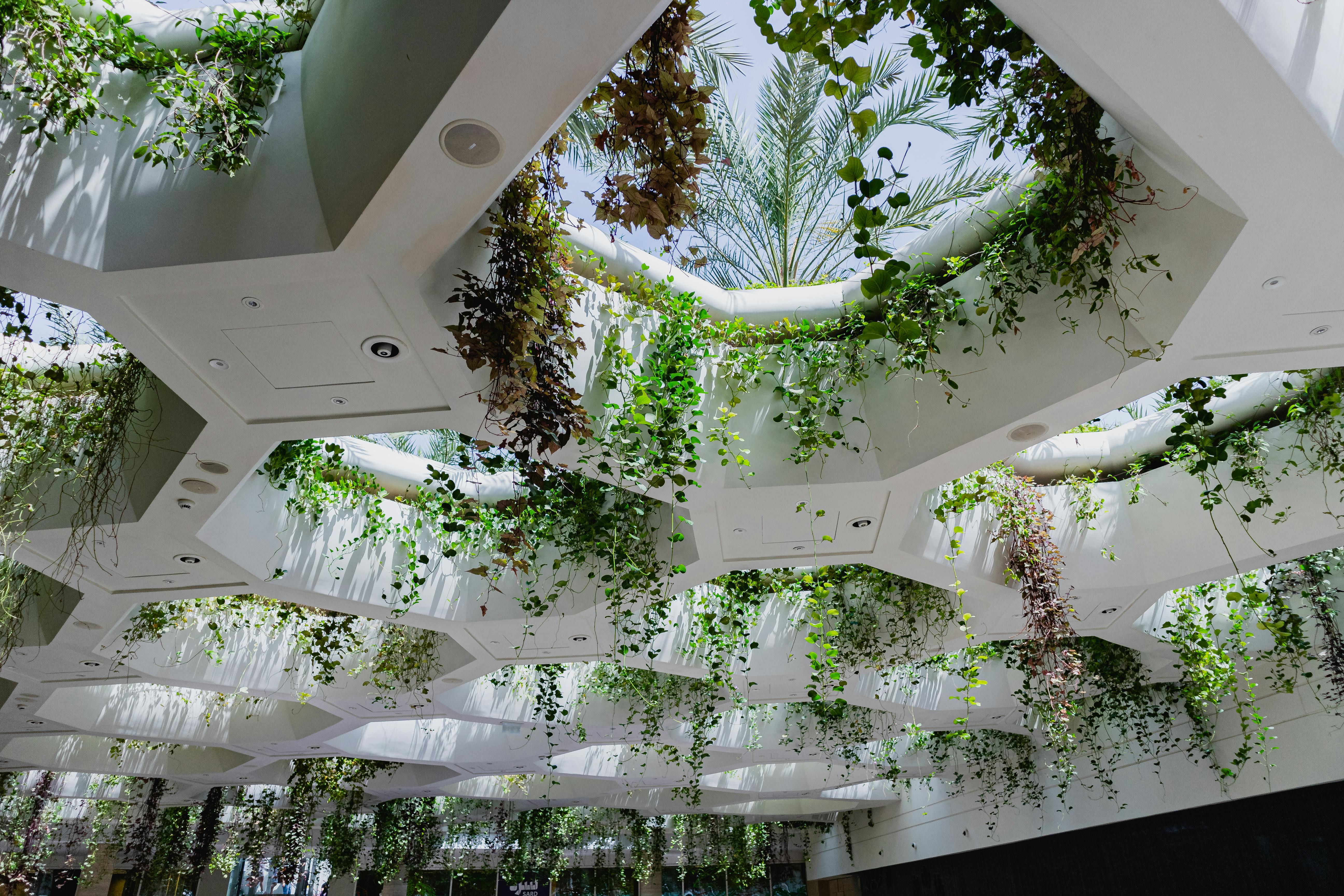
Beyond the dedicated green specialists, a number of experienced Dubai firms are ready to deliver sustainable fit-outs when clients request them. This is about capacity and structure rather than any specific certification, which owners should always verify directly. Depa, among the region’s largest interior contractors since 1996, brings the scale and procurement reach to roll out responsible sourcing on major projects. Bond Interiors, operating since 1986 with in-house joinery manufacturing in Dubai Industrial City, can compress supply chains and lower transport-related emissions on custom work. Swiss Bureau Interior Design, a design-and-build specialist established in 2003, offers integrated delivery that makes managing efficient systems more straightforward. If you engage any of these firms for a green brief, ask clearly how they will hit your sustainability targets and record the outcome.
Getting to Grips With Green Regulations in 2026
Regulation is an increasingly powerful driver of sustainable design, and 2026 brings sharper expectations. The UAE Net Zero 2050 strategy sets the long-term national direction, while Dubai Municipality goes on refining fit-out guidelines that reward efficient, lower-carbon interiors. As with any project, work can begin only after a No Objection Certificate and a fit-out permit are obtained from the relevant authority. Dubai Municipality governs most areas, while the Dubai Development Authority or Trakhees handle specific communities and free zones, and these approvals generally take about 3 to 10 working days. A studio fluent in current requirements can help match your design to emerging standards rather than bolting on compliance later. You can consult official guidance directly on the Dubai Municipality portal before finalising your specification.
Comparing Sustainable Design Approaches
Sustainable interiors blend several approaches, and it helps to see how each adds to the whole. The table below lays out the main strategies, what they involve and why they matter in 2026. None of these approaches works in isolation, and the strongest projects layer them together for compounding benefit. The estimates and outcomes shown are general market observations rather than guarantees for any single project. Use the table to rank the measures that matter most for your building type and budget. Then give your chosen studio a clear brief so the design aims at the outcomes you value.
| Method | What It Entails | 2026 Significance |
|---|---|---|
| LEED / green certification | Third-party verified energy, water, materials, air quality | Supports UAE Net Zero 2050 |
| Biophilic design | Natural light, planting, natural materials | Improves wellness while lowering energy demand |
| Eco-materials | Low-VOC, recycled and locally sourced finishes | Cuts embodied carbon and waste |
| Smart-MEP | Efficient HVAC and lighting controls | Cuts day-to-day operational energy |
| In-house manufacturing | Local joinery and a shorter supply chain | Reduces transport emissions |
Choosing a Sustainable Design Partner
Choosing the right sustainable partner hinges on evidence, specialism and clear communication. Start with firms whose sustainability focus is genuine and established, such as Summertown Interiors for LEED-oriented commercial work. Ask any studio to spell out, in concrete terms, how it will reach your environmental targets across materials, energy and indoor air quality. Ask for documentation instead of accepting broad green claims, and confirm which certifications, if any, genuinely apply to your project. Weigh the modest upfront premium against the long-term savings in energy, maintenance and occupant wellbeing that often justify the investment. Choose the partner who treats sustainability as measurable engineering rather than decoration, and your interior will hold up for years to come.